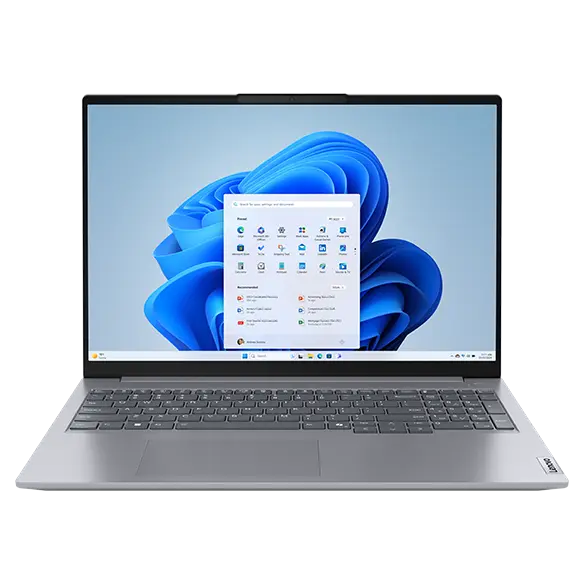
The Rise of AI Laptops: Machines That Think Like Us
The advent of AI laptops marks a significant turning point in the world of technology. These machines are not just hardware; they are evolving into intelligent systems that can mimic human thought processes, enabling them to learn, adapt, and perform tasks more efficiently than traditional computers. With features such as natural language processing and machine learning algorithms, AI laptops are now capable of understanding context and improving user experience. As they integrate more deeply into our daily lives, we can expect a seamless synergy between humans and machines, paving the way for unprecedented productivity.
Moreover, the rise of AI laptops presents a plethora of applications across various industries. From content creation to data analysis, these smart devices can assist users in making more informed decisions and streamlining workflows. For instance, AI-powered software can analyze vast amounts of data in seconds, providing insights that would take humans hours to uncover. As organizations continue to embrace this technology, it's crucial for individuals to stay informed about the capabilities of AI laptops in order to leverage their full potential in both personal and professional environments.
Counter-Strike is a popular first-person shooter game that focuses on team-based gameplay, where players can assume the role of terrorists or counter-terrorists. Over the years, it has evolved into multiple versions, including Counter-Strike: Global Offensive, which has a strong esports presence. For gamers looking to enhance their setups, check out the Top 10 macbook docks to optimize their gaming experience.
Top 5 Laptops with Advanced AI Features for Everyday Use
In today's fast-paced digital landscape, having a laptop equipped with advanced AI features can significantly enhance productivity and user experience. Whether you're a student, professional, or casual user, leveraging AI technology can streamline your everyday tasks. Here, we present the top 5 laptops that incorporate cutting-edge AI functionalities, designed to cater to various needs. From improved battery management to intelligent voice assistants, these devices are committed to making your daily computing not only efficient but also enjoyable.
- Dell XPS 13 - Renowned for its stunning display and sleek design, the XPS 13 utilizes AI-driven features to optimize performance, making it a favorite among professionals.
- Apple MacBook Air (M1) - With its innovative M1 chip, this laptop offers impressive AI capabilities, enhancing everything from photo editing to app performance.
- HP Spectre x360 - This versatile 2-in-1 laptop employs AI to adjust settings for better battery life and manage resources efficiently based on your usage patterns.
- Asus ZenBook 14 - Featuring AI noise-cancellation and an AI-assisted webcam, the ZenBook 14 is tailored for video calls and remote work.
- Lenovo ThinkPad X1 Carbon Gen 9 - Ideal for business, this laptop's AI-enhanced security features help protect your sensitive data with intelligent threat detection.
Are AI-Powered Laptops Really Smarter Than Humans?
The debate over whether AI-powered laptops are truly smarter than humans is increasingly relevant in today's technology-driven world. These devices harness advanced machine learning algorithms and vast data sets to perform tasks that require analytical thinking, making them exceptionally proficient at problem-solving and information processing. However, it's important to note that while they excel in specific domains, such as data analysis and pattern recognition, they lack the emotional intelligence, creativity, and critical thinking skills inherent to human beings. As a result, AI-powered laptops can enhance human productivity but are not a substitute for human intellect.
Moreover, the intelligence exhibited by AI-powered laptops is fundamentally different from human intelligence. While they can process information and execute tasks at unprecedented speeds, their 'smarter' capabilities are confined to their programming and data inputs. For instance, machines can generate written content, recognize images, or predict trends based on historical data. However, they do not possess consciousness or the ability to understand context in the way humans do. Therefore, while these technologies are impressive in their own right, they serve as tools to complement human skills rather than replace them.