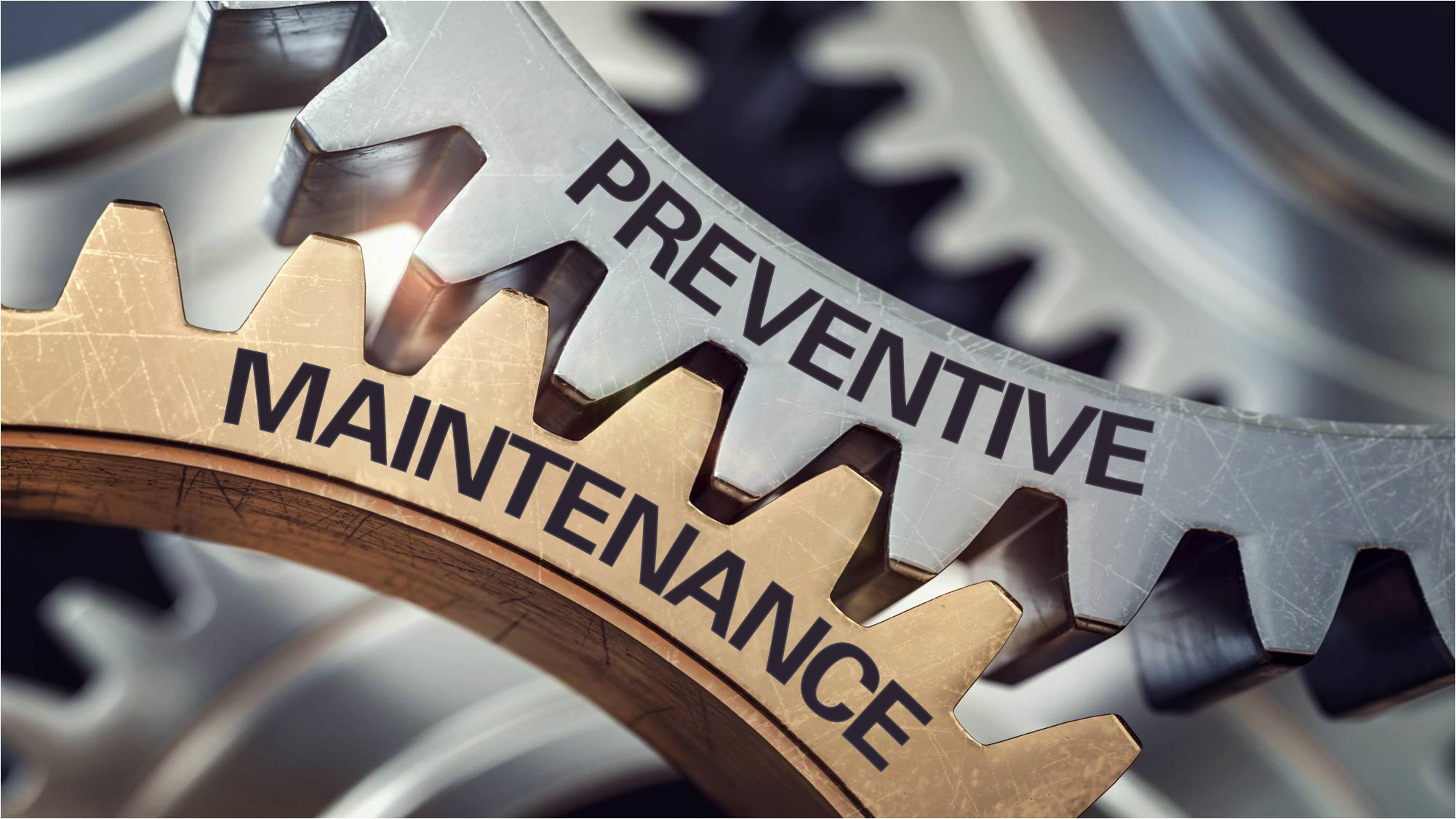
Why Regular Maintenance is Essential for Longevity: Key Insights
Regular maintenance is crucial for ensuring the longevity of any equipment or system, whether it be vehicles, appliances, or even your home. By adhering to a structured maintenance schedule, you not only enhance the performance and efficiency of your assets but also prevent costly breakdowns that can arise from neglect. For instance, routine checks can help identify potential issues before they escalate into significant problems, saving both time and money in the long run. A well-maintained system runs smoother, consumes less energy, and offers a better user experience, which are all vital for maximizing longevity.
Moreover, regular maintenance can lead to increased safety and reliability. This is particularly important in hazardous environments where equipment failure could pose risks to life and property. To emphasize this, consider the following key insights:
- Proactive servicing can prevent accidents and injuries.
- Maintained equipment performs better and meets safety regulations.
- Investing in maintenance now minimizes expenses in the future.
By prioritizing maintenance, you ensure not only the durability of your possessions but also the peace of mind that comes from knowing everything is functioning optimally.
Counter-Strike is a highly popular first-person shooter game that pits teams of terrorists against counter-terrorists in various objective-based scenarios. Players can choose different roles and strategies while utilizing a wide array of weapons and equipment. For gamers interested in keeping their devices clean and efficient, consider checking out the Top 10 macbook cleaning kits to ensure peak performance while enjoying their gaming sessions.
The Top 5 Maintenance Tips for Extending the Life of Your Equipment
Maintaining your equipment is crucial for ensuring its longevity and performance. Regular maintenance can help you avoid costly repairs and downtime while maximizing efficiency. Here are the top 5 maintenance tips to extend the life of your equipment:
- Regular Cleaning: Dust, dirt, and grime can accumulate on your equipment, leading to decreased performance. Schedule routine cleaning sessions to keep your equipment in optimal condition.
- Routine Inspections: Conducting frequent inspections allows you to identify issues early on. Check for wear and tear, loose connections, and other potential problems to address them before they escalate.
- Lubrication: Moving parts require proper lubrication to function smoothly. Regularly apply the recommended lubricant to prevent friction and prolong the life of your equipment.
- Proper Storage: When not in use, store your equipment in a clean, dry place. This protects it from environmental factors that could cause damage.
- Follow Manufacturer Guidelines: Always adhere to the maintenance schedule and recommendations provided by the manufacturer. This ensures that you are using the equipment correctly and maintaining it according to expert standards.
How Neglecting Maintenance Can Lead to Costly Repairs: What You Need to Know
Neglecting routine maintenance can have significant repercussions, leading to costly repairs that may have been easily preventable. Many homeowners underestimate the importance of maintenance tasks, often viewing them as optional or too time-consuming. However, regular checks and upkeep not only enhance the lifespan of essential systems and appliances but also prevent minor issues from escalating into major problems. For instance, ignoring a small leak can result in extensive water damage over time, costing thousands in repairs. Therefore, prioritizing maintenance is crucial to safeguarding your home and finances.
Moreover, neglecting maintenance can lead to inefficiencies that drive up utility costs. A poorly maintained HVAC system, for instance, can operate at reduced efficiency, resulting in increased energy consumption and higher bills. To avoid these expensive consequences, homeowners should create a maintenance schedule that includes inspecting critical systems such as plumbing, electrical, and HVAC at least once a year. Regular attention to these areas can dramatically reduce the likelihood of facing unexpected and expensive repair bills in the future.