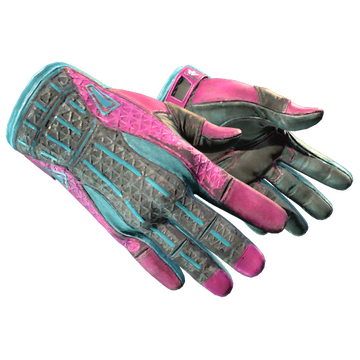
The Evolution of CS:GO Skins: How They Became a Cultural Phenomenon
The world of CS:GO skins has transformed remarkably since the game's launch in 2012. Initially introduced as simple cosmetic items to customize player weapons, these skins quickly grew in popularity, sparking a vibrant marketplace that now rivals traditional art and collectibles. What started as mere aesthetics soon evolved into an economic ecosystem, with renowned skins often selling for thousands of dollars. The emergence of online marketplaces and community-driven trading platforms allowed players to buy, sell, and trade skins, further contributing to their status as both a form of expression and a potential investment.
As the community embraced these skins, they began to develop significance beyond mere decoration. Competitive players often equip rare and visually stunning skins as a way to showcase their style and achievements. In addition, notable collaborations with artists and brands have elevated some skins to the realm of pop culture, often featuring intricate designs and limited editions that fans clamor to own. The popularity of skin gambling and betting has also added layers of complexity and controversy, forcing discussions around fairness and legality in the rapidly expanding world of CS:GO skins. This evolution from simple decorative assets to a cultural phenomenon reflects the dynamic nature of gaming communities and the continuing influence of CS:GO on both the gaming industry and popular culture.
Counter-Strike is a highly popular first-person shooter game that emphasizes teamwork and strategy. Players can enhance their gameplay experience by exploring various configurations, such as the donk settings, which can optimize their performance and weapon handling. With various game modes and a robust competitive scene, Counter-Strike continues to be a staple in the gaming community.
Top 10 Most Iconic CS:GO Skins and Their Market Value
Counter-Strike: Global Offensive (CS:GO) has transformed the gaming landscape, not only through its gameplay but also by creating a vibrant economy revolving around skins. Skins are cosmetic upgrades that enhance the appearance of weapons, and some have become incredibly valuable over time. In this article, we will explore the top 10 most iconic CS:GO skins and their market value, delving into the allure and significance of these virtual items within the gaming community.
- AWP | Dragon Lore - This skin is often regarded as the Holy Grail of CS:GO skins, with prices reaching well into the thousands. Its intricate design and rarity make it a coveted item among collectors.
- M4A4 | Howl - Another legendary skin, the M4A4 Howl was reclassified as a contraband item, driving its market value sky-high due to its limited availability.
- AK-47 | Fire Serpent - With its unique artwork and rich lore, the Fire Serpent remains a fan favorite and continues to hold a significant market price.
- Karambit | Fade - Renowned for its striking color transitions, the Karambit Fade is always in demand, making it a popular choice among knife enthusiasts.
- AWP | Medusa - Widely respected for its stunning visuals, the AWP Medusa commands high prices on various marketplaces.
- AK-47 | Vulcan - This skin stands out for its futuristic design, often fetching impressive sums due to its popularity.
- M9 Bayonet | Doppler - The M9 Bayonet's Doppler variants are sought after for their mesmerizing patterns, driving up their value.
- Glock-18 | Fade - The Glock-18 Fade's vibrant design attracts players, ensuring its market value remains strong.
- UMP-45 | Gold Rush - Known for its luxurious appearance, the Gold Rush skin has a dedicated fanbase.
- Desert Eagle | Blaze - Its fiery design makes the Blaze one of the most recognized skins, and its price reflects its iconic status in the game.
How to Spot a Fake: A Guide to Authenticating CS:GO Skins
In the world of CS:GO skins, it's crucial to distinguish between authentic items and fakes. Here are some essential tips to help you spot a fake. First, examine the skin's float value and its overall quality. You can use third-party websites like csgo.exchange to analyze the float values, which can reveal if a skin is too pristine for its price. Additionally, always check the skin's market history. If a skin has an unusually low price compared to recent sales, chance are it might be counterfeit.
Another vital factor in authenticating CS:GO skins is the visual inspection of the skin itself. Look for discrepancies in colors, textures, and patterns that don't match the original design. Many fakes may have glaring issues such as incorrect logos or altered patterns. Utilize community resources and forums to compare your skin with other verified examples. If you remain uncertain, consider reaching out to experienced traders or using reliable marketplaces that offer authenticity guarantees. By being vigilant and informed, you can ensure that your collection is genuine and valuable.