Mastering Nuke: Essential Strategies for Dominating Control Points
Mastering Nuke requires a deep understanding of control points, which are critical for securing victory in objective-based gameplay. One of the essential strategies is to develop strong team communication. Make sure to coordinate with your teammates to control key areas, like the bomb sites, and maintain constant updates on enemy movements. Another effective strategy is to leverage the unique layout of Nuke. Utilize verticality to your advantage by positioning snipers on higher ground or using the vents for unexpected flanking maneuvers. This can lead to an advantageous control of critical chokepoints and surprise engagements.
In addition to tactics, understanding weapon selection is crucial for dominating control points in Nuke. Opt for rifles and SMGs that suit your playstyle and the situation, as they can significantly impact the outcome of skirmishes in tight spaces. For instance, using the AUG for its accuracy at range can help hold down positions effectively. Moreover, always be mindful of map rotation; knowing when to rotate between bomb sites and control points can catch your opponents off guard. Practice these strategies regularly, and soon you'll find yourself mastering Nuke and leading your team to victory.
Counter-Strike is a popular tactical first-person shooter game that emphasizes teamwork and strategy. Players can engage in various game modes, and communication is crucial for success. If you're unsure how to use mic in cs2, you can find helpful tips online to enhance your gameplay experience.
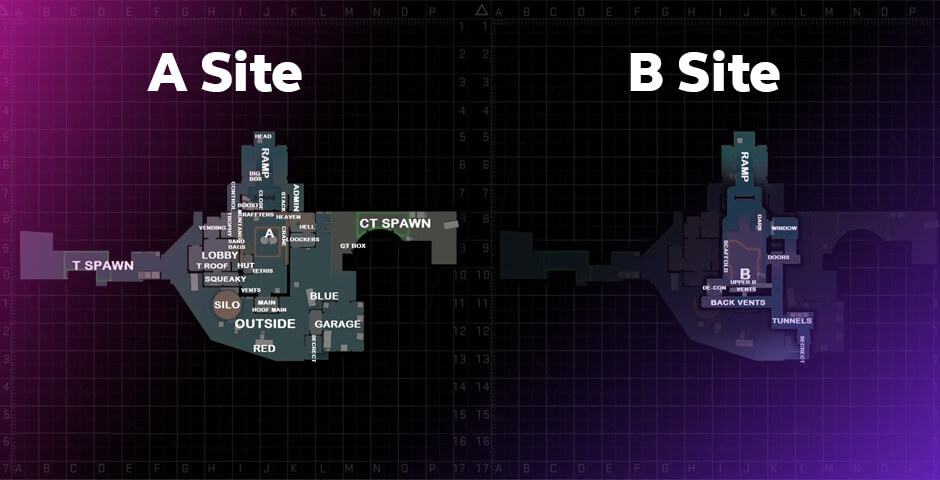
The Ultimate Guide to Nuke Callouts: Elevate Your Team Communication
Nuke callouts play a crucial role in enhancing communication within your team, especially when navigating the complex maps of tactical games. These callouts serve as a language of their own, allowing players to quickly relay information about enemy positions, strategies, or potential threats. For instance, using specific terms for various locations on the Nuke map, such as 'Silo,' 'Heaven,' and 'Toxic,' can not only improve reaction times but also increase overall team coordination. As players become familiar with these callouts, they can execute strategies more effectively, leading to improved performance in matches.
To ensure your team is on the same page, consider implementing a standardized list of Nuke callouts that everyone should memorize. Start with the basics and progressively include more nuanced terms as players become comfortable. Here’s a quick starter list:
- Silo
- Heaven
- Toxic
- Site A
- Site B
By consistently practicing these callouts during scrims, you will not only foster a more collaborative environment but also enhance your gameplay experience. Remember, effective communication is key to achieving victory!
Top 10 Tips for Managing Economy on CSGO's Most Tactical Map
Managing your economy effectively in CSGO's most tactical map is crucial for gaining a strategic advantage over your opponents. Here are the top 10 tips that can help your team maintain a healthy economy throughout the match:
- Understand buy phases: Recognize when to save, force buy, or full buy based on your team's financial situation.
- Share resources: Always communicate with your team when it comes to purchasing weapons and equipment to optimize your economy.
- Prioritize survival: Encourage teammates to play safely and conserve their lives, as each player’s survival can impact the team’s overall economy.
- Utilize eco rounds: Make the most of eco rounds to either surprise your opponents with unexpected aggression or to save up for a stronger buy in the following round.
- Track opponents' economy: Keep an eye on your opponents' buying patterns to anticipate their strategies and adjust your spending accordingly.
Moreover, following these additional tips can further enhance your economic management in CSGO's most tactical map:
- Be flexible with your roles: Adapt your playstyle and weapon choices based on your economic situation and that of your team.
- Know when to force buy: Identify key rounds where a risk may lead to a significant gain, but avoid taking unnecessary risks that jeopardize future rounds.
- Monitor the game's pace: Adjust your spending based on how the match is unfolding, responding to losing streaks or necessary investments.
- Encourage intentional loss: Sometimes it's better to lose a round intentionally to set up a more favorable financial situation later in the game.
- Discuss strategies post-game: Reflect on what worked or didn’t work economically to refine your approach for future matches.